Key Takeaways
- Names vary, so ask what the place really offers.
- Look at the home’s recovery approach, structure, accountability, and support services before choosing it.
- Sober living focuses specifically on supporting people in recovery from alcohol or drug use.
- A supportive sober living environment can help someone continue building routines, community, and independence after treatment.
What should I be looking for when I search for a halfway house near me?
There are many terms for what are generally classified as “recovery residences”. NARR (The National Alliance for Recovery Residences) defines a recovery residence as a “sober, safe, and healthy living environment that promotes recovery from alcohol and other drug use and associated problems”. However, the use of terms like “ sober house ”, “ sober living ”, and “ halfway house ” can easily cause confusion when someone is looking for a supportive community.
Halfway Questions
The term “Half-way House” is defined by Miriam Webster as “a place where people who have recently left a prison, mental hospital, etc., can live until they are considered ready to live by themselves”. There is an undeniable stigma associated with “ Halfway Homes ”. While the meanings change from one geographic area to another, in general, many people associate halfway support with criminal or severe mental health problems.
The label matters less than understanding the structure, support, and approach a residence actually provides.
Sober Living
Many recovery residence operators are now moving toward terms like “sober living” and “sober house” in an effort to remove any association with the halfway meaning. However, some areas still utilize these terms interchangeably.
In general, I’ve observed that the term “sober living” is more focused on recovery from addiction rather than criminal or mental health issues. While those who are in recovery may have wreckage from their past, which can include criminal activity, this is not the primary purpose for their participation in the recovery residence. As a result, the stigma associated with sober living is far less.
If you’ve been through treatment and you’re now looking for support to help you solidify your recovery foundation, you will usually have more success by looking at recovery residences that are identified as sober livings. That said, there are no set standards, nor requirements, for someone to call their home a sober living. As a result, it’s critically important to ask many questions of any kind of recovery housing option.
Beyond the differences in amenities, there are critical differences in approach (i.e. 12 step/non 12-step), structure, and support services. Some homes will provide support through a single house manager who uses tools like urine analysis and a breathalyzer to maintain accountability. Other programs offer significantly more in the form of peer to peer support, clinical components (licensed therapy), 24/7 staff, transportation, meals, etc. As there are a wide variety of programs, there are also wide ranges in cost. Costs can range from $100 per week to 10’s of thousands per month.
A 30-day program alone isn’t the whole recovery process.
Halfway Recovery
It’s common to think that residential treatment is the biggest priority for addiction recovery. While treatment is important, maintaining a sober lifestyle after treatment can be very difficult without the right kind of help. Unfortunately, there are no quick fixes to addiction. A program for 30 days, in and of itself, is not going to create sustainable sobriety and a life of recovery. After treatment, you’re halfway there. Recovery includes learning how to manage emotions and difficult situations without reaching out for an escape; that takes time, and usually guidance.
Tharros House Sober Living
At Tharros House, we combine community and aftercare with a focus on cultivating a life that you want to live in sobriety. Learning to leave the drink or drug behind is great. But if you don’t develop a life that you want to live sober, it will be challenging to find happiness and real recovery. In addition to a high standards home, Tharros House provides 24/7 support, life skills lessons, equine therapy, and detailed case management with peer to peer support for each of our 9 clients. Learn more and start developing the life you want to live.
Visit www.TharrosHouse.com
Frequently asked questions
A halfway house can refer to housing for people leaving prison, a mental hospital, or other institutional settings, while sober living is generally focused on recovery from addiction. The terms can still overlap depending on the area, so it is important to ask what a specific home actually provides.
Not everyone does, but sober living can make the transition easier by providing structure, accountability, and a recovery-focused community. It can also give someone a place to build healthy routines and greater independence while continuing recovery work.
Ask about its recovery approach, daily structure, accountability, and support services. Offerings and costs vary widely, so make sure you understand what is included and what daily life in the home looks like.
Costs can range from $100 per week to tens of thousands per month because programs differ greatly in what they provide. Compare the level of structure and support along with the price.
Support varies widely from one home to another. Some offer a house manager and accountability measures, while others may provide peer support, clinical components, 24/7 staff, transportation, meals, or additional services.
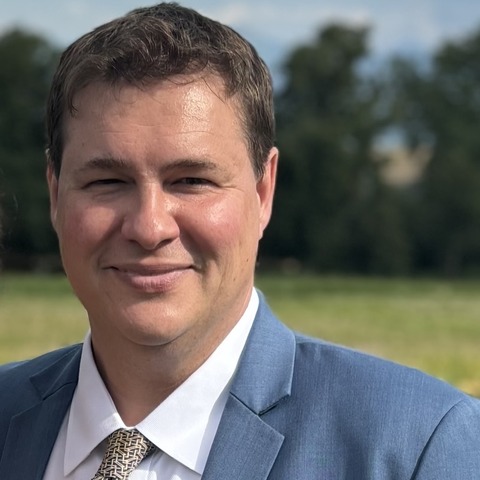
Paul Gardner
Paul Gardner is Co-founder and Managing Director of Tharros House, and interfaces with clients and families on a daily basis. Read more →
Thinking About the Next Step?
Every situation is different. Reach out to talk with someone who understands what you are going through - and can help you decide whether Tharros House is the right fit.
Speak With Our Team