
Key Takeaways
- A sober living home is a structured, substance-free residence that bridges the gap between treatment and independent life.
- Expect a predictable daily rhythm: morning meetings, accountability, shared responsibilities, and regular drug testing.
- Most residents stay a minimum of 30 days, but 6–12 months is strongly associated with lasting sobriety.
- The best homes balance firm structure with personal choice — you commit to the essentials and opt into the rest.
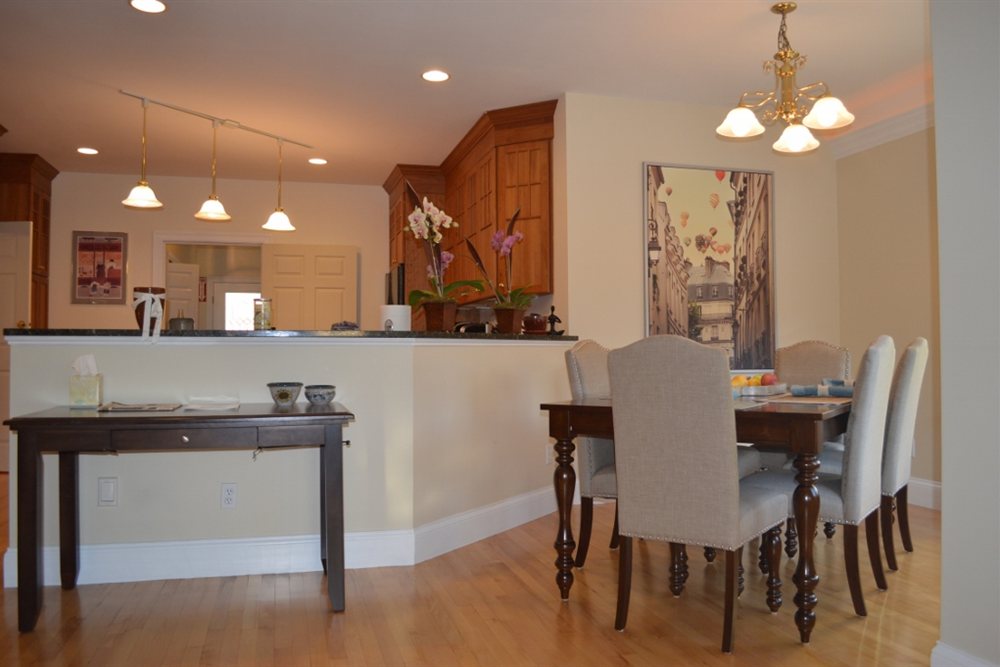
Walking through the door of a sober living home for the first time is rarely what people picture. There's no clinical check-in desk, no hospital hallway. It looks, feels, and functions like a home — because that's exactly what it's meant to be. And for many men leaving detox or residential treatment, it's the first place recovery stops feeling like something that happens to them and starts feeling like something they're building.
If you're preparing for that transition, knowing what to expect removes a surprising amount of anxiety. This guide walks through what sober living really involves — the rhythm of a day, the rules, the length of stay, and how to tell whether it's the right next step.
What a sober living home actually is
A sober living home is a structured, substance-free residence for people in recovery who are transitioning out of an inpatient or detox program. It sits in the space between intensive treatment and fully independent living — offering the accountability and community of a program, with the freedom and normalcy of a real home.
Unlike a treatment center, sober living isn't a clinical program. You're not a patient. You're a resident, sharing a household with other men who understand exactly what you're navigating. The structure is there to protect early sobriety, but the day-to-day is designed to help you re-enter ordinary life — cooking, working, building routines, and rebuilding trust.
Recovery stops feeling like something that happens to you, and starts feeling like something you're building.
Your first day: what to expect
The first day is mostly about orientation and settling in. Expect a walkthrough of the house, an introduction to staff and housemates, and a clear explanation of expectations. Most homes will:
- Review house rules and your commitments in writing, so nothing is ambiguous.
- Conduct an intake conversation about your history, goals, and support needs.
- Perform an initial drug and alcohol test — a standard, non-judgmental baseline.
- Show you your room and help you get settled with household essentials.
- Introduce you to the daily and weekly schedule.
It's normal to feel a mix of relief and apprehension. Most residents say the nervousness fades within the first few days, once the routine — and the sense of not being alone in it — takes hold.
A typical day in sober living
Structure is the quiet engine of sober living. A predictable day removes the open, unstructured hours where cravings and old patterns tend to creep in. While every home differs, a typical weekday often looks like this:
- Morning: Wake at a consistent time, a house or community meeting, and a check-in to set intentions for the day.
- Midday: Work, school, job searching, therapy appointments, or volunteering — real-world responsibilities, resumed at a healthy pace.
- Afternoon: Optional programming such as yoga, mindfulness, fitness, or life-skills sessions.
- Evening: Shared meals, reflection or support meetings, household responsibilities, and free time to connect with housemates.
At Tharros, for example, residents commit to morning meetings Monday through Friday, a Sunday meeting, and some community activities — roughly 5–8 hours a week. The remaining structure is optional, and most people choose to participate in a good portion of it because it genuinely helps.
of committed weekly structure at Tharros House — with the rest of the day yours to rebuild work, relationships, and routine.
House rules & expectations
Rules in a sober living home aren't about control — they exist to keep the environment safe and predictable for everyone. While specifics vary, you can expect standards like these:
- Complete sobriety from drugs and alcohol, with regular random testing (often several times a week).
- Respect for curfews and communication about your whereabouts, especially early on.
- Participation in required meetings and community activities.
- Shared household responsibilities — chores, cleanliness, and pitching in.
- Respect for housemates and the shared commitment everyone has made.
Good homes are transparent about consequences too. Knowing exactly where the lines are — and that they're applied fairly — is part of what makes the environment feel safe rather than punitive.
How long you'll stay
There's no universal answer, because readiness isn't a date on a calendar. That said, the research is consistent: the longer someone stays in a structured, sober environment, the better their chances of sustained recovery.
Most homes ask for a minimum commitment of 30 days, but encourage residents to plan for 6 months to a year — or longer, including a step into less structured housing. The goal isn't to keep you as long as possible; it's to make sure that when you leave, you're leaving with a foundation solid enough to stand on.
Is sober living the right fit?
Sober living tends to be a strong fit for someone who has completed detox or residential treatment and wants to protect that progress before returning to full independence. It's especially valuable if going straight home would mean returning to an environment, or a set of routines, that make sobriety harder to hold onto.
The best way to know is to talk to a program directly. A reputable home will be honest with you about whether they're the right match — and if they're not, they'll usually help you find one that is.
Frequently asked questions
Most residents commit to a minimum of 30 days, but research consistently shows better long-term outcomes with stays of 6 months to a year or more. The right length depends on the individual's stability and readiness rather than a fixed timeline.
Yes. Many sober living homes support residents returning to work or school, though most encourage a short stabilization period first. Structured programs help you build a steady routine before adding outside obligations.
Yes. Reputable sober living homes conduct regular random drug and alcohol testing, often several times per week, through both in-house tests and outside labs. Testing protects the sober environment for everyone in the house.
Generally no. Insurance companies view sober living as a residence rather than clinical treatment, so it is typically paid out of pocket. Costs vary widely based on staffing, structure, and the level of services provided.

Paul Gardner
Paul Gardner is Co-founder and Managing Director of Tharros House, and interfaces with clients and families on a daily basis. Read more →
Thinking About the Next Step?
Every situation is different. Reach out to talk with someone who understands what you're going through — and can help you decide whether Tharros House is the right fit.
Speak With Our Team